
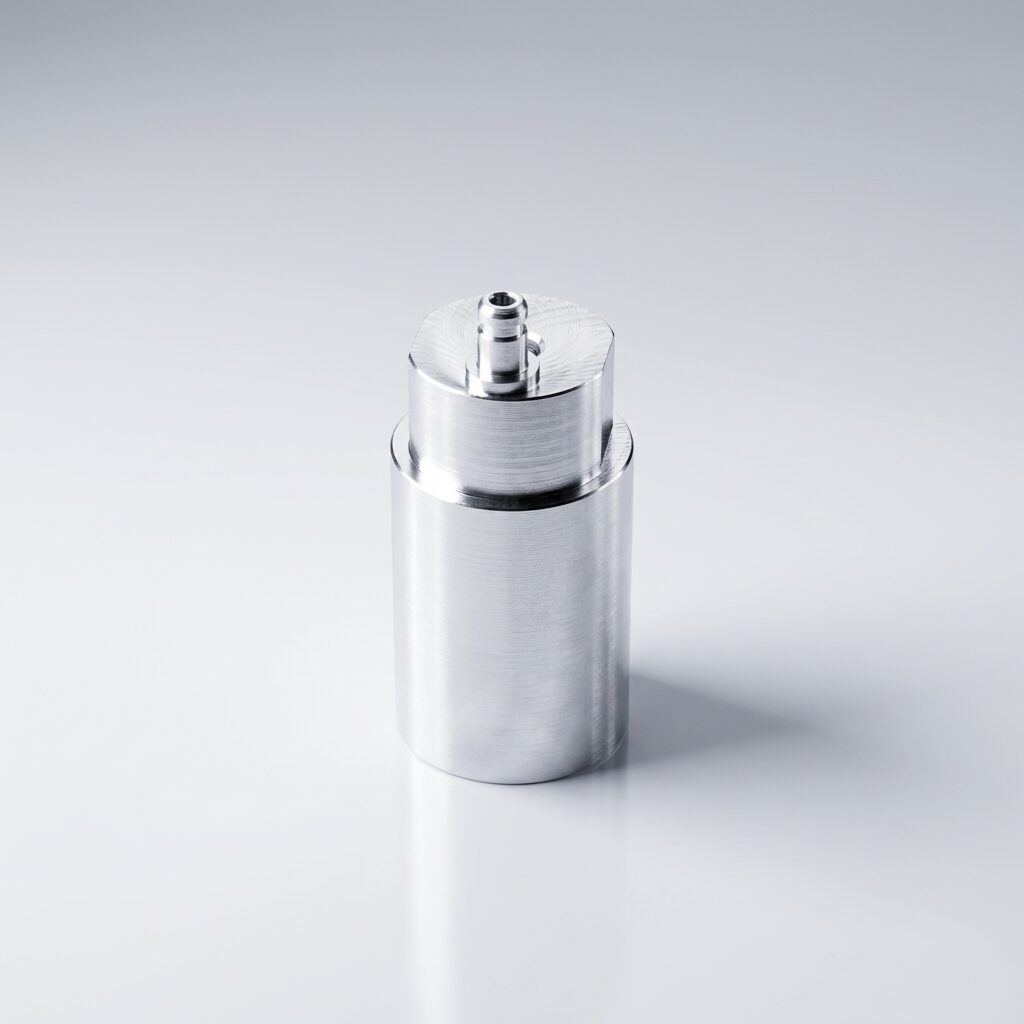
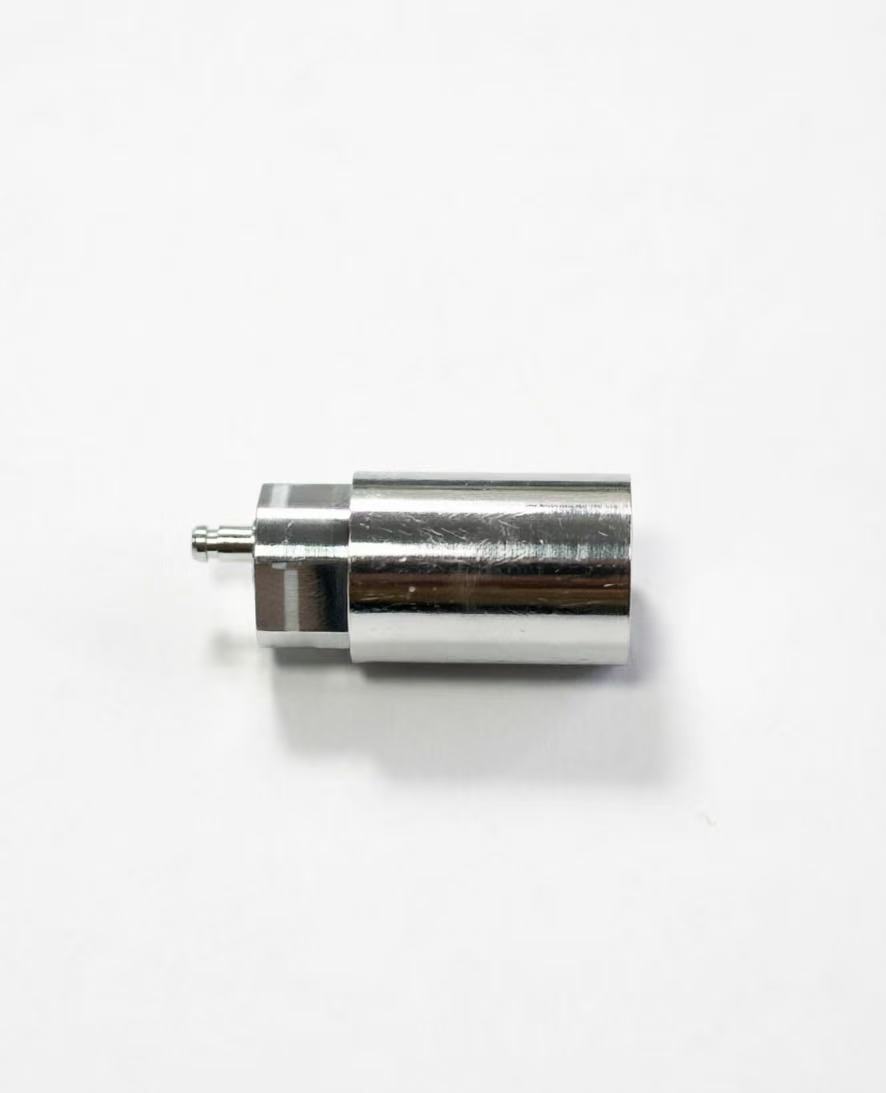
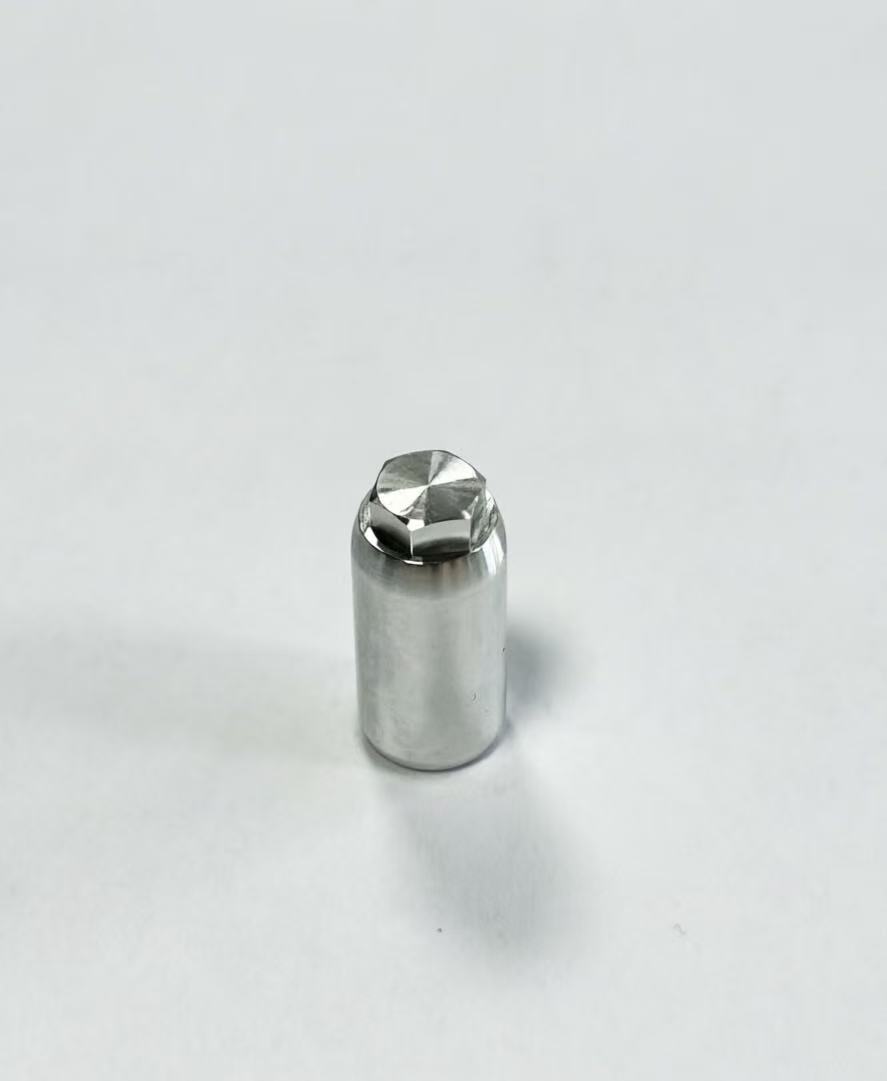
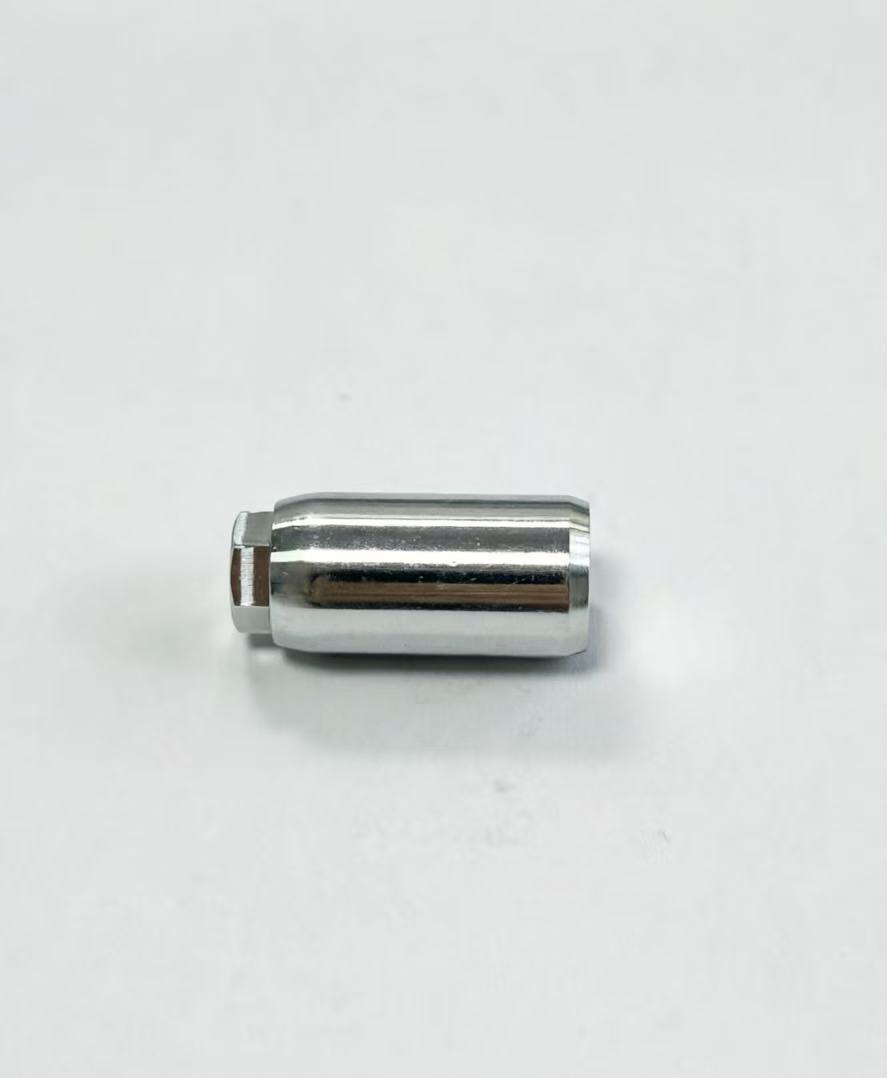
Gas pipeline fittings are indispensable components in modern gas transmission and distribution systems. These fittings serve as the connection points that link pipes, regulate direction, control flow, and ensure airtight sealing within gas systems carrying natural gas, LPG, and other industrial gases.
As global energy systems continue to expand, the demand for safe and reliable gas infrastructure has increased significantly. Gas pipeline fittings must meet strict performance requirements, including pressure resistance, corrosion protection, dimensional accuracy, and long-term durability. Any failure in a fitting can compromise the entire system, making quality manufacturing and engineering precision essential.
As a specialized manufacturer of precision metal components, we provide a comprehensive range of gas pipeline fittings designed to meet international standards and diverse application requirements. Our products are engineered to deliver consistent performance in both standard and demanding environments.
Gas pipeline fittings are mechanical components designed to create secure, leak-proof connections within gas systems. Their function goes beyond simple connection—they are critical for maintaining system integrity, pressure stability, and operational safety.
Our gas pipeline fittings include:
Each product is designed with optimized internal geometry to reduce flow resistance and ensure efficient gas transmission.
Gas pipeline fittings must be designed to perform reliably under varying pressure and environmental conditions.
Sealing performance is achieved through precision machining of threads and sealing surfaces. Tight tolerances ensure that fittings maintain airtight connections even under pressure fluctuations.
Wall thickness and material strength are carefully engineered to withstand mechanical stress and internal pressure without deformation.
Internal surfaces are finished to minimize turbulence, ensuring smooth gas flow and reducing energy loss.
Material selection is a critical factor in determining product performance, lifespan, and safety. We offer multiple material options to meet different operational requirements.
Carbon steel is widely used in industrial gas systems due to its high strength and affordability.
Advantages:
Stainless steel fittings provide excellent corrosion resistance and durability.
Advantages:
Brass is commonly used in residential and commercial gas fittings.
Advantages:
Copper fittings are ideal for low-pressure gas systems and are easy to install.
Alloy steel fittings are used in demanding applications requiring high strength and durability.
Surface treatment enhances corrosion resistance and extends product lifespan.
Provides basic corrosion protection for steel fittings.
Improves wear resistance and surface smoothness.
Enhances hardness and provides a polished appearance.
Offers mild corrosion resistance and reduces glare.
Improves corrosion resistance of stainless steel fittings.
Provides additional protection and aesthetic customization.
Our manufacturing process ensures precision and reliability.
Each stage is carefully controlled to ensure consistent product quality.
We use advanced equipment to ensure high precision and efficiency.
These tools enable us to maintain strict quality standards across all production batches.
Our products comply with international standards.
These certifications ensure reliability and global market acceptance.
Our fittings are used in:
To ensure optimal performance:
Gas pipeline fittings are essential components for safe gas transmission systems. With advanced manufacturing processes and strict quality control, we provide reliable and durable solutions for global customers.
If you are interested in this exceptional product, please feel free to contact us through the message box on the left side or the contact information provided below. We are eager to collaborate with you for a brighter future!