
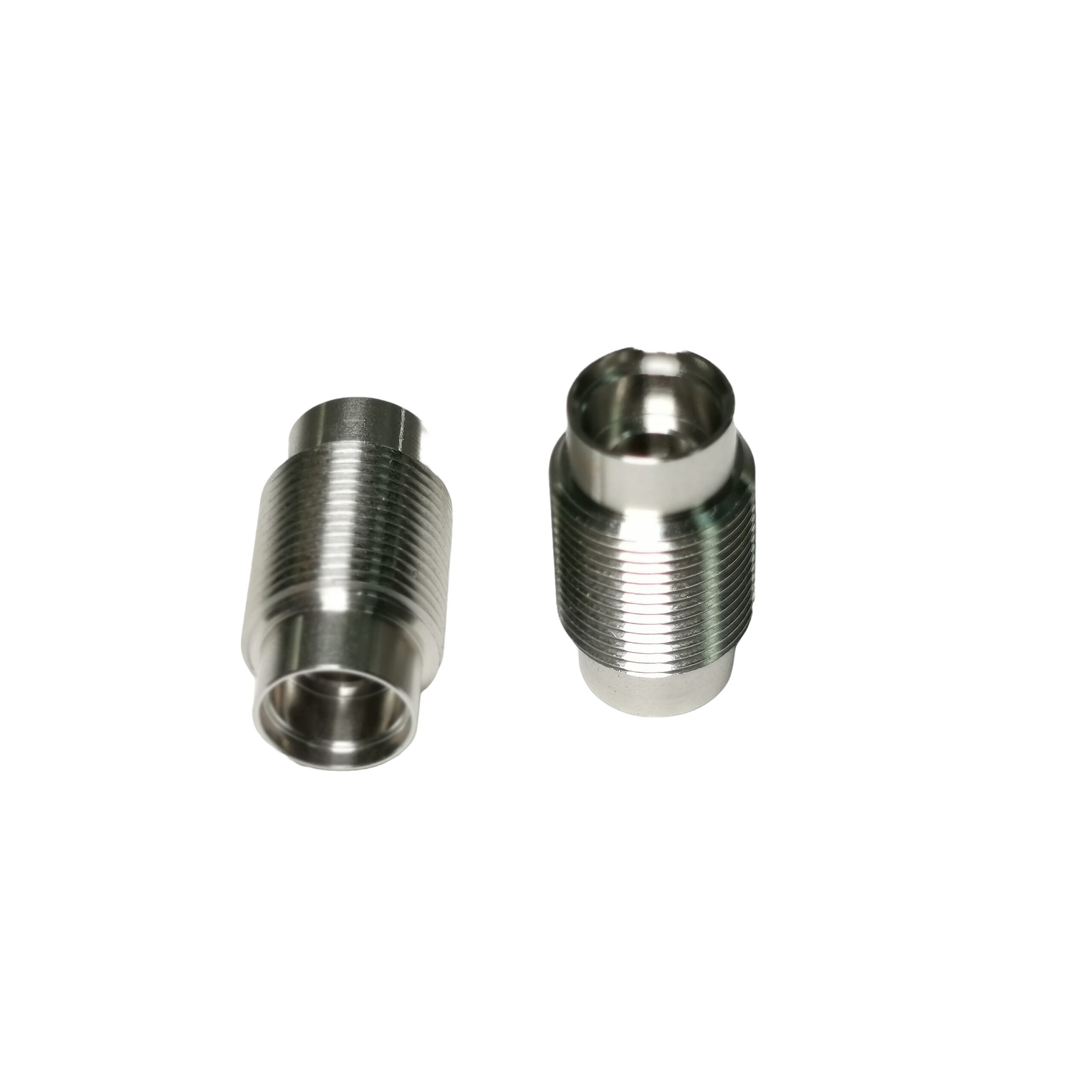
High pressure gas fittings and LPG gas system components are essential elements within industrial gas transmission networks, energy facilities, and large-scale gas distribution projects. These components are specifically engineered to operate safely under elevated pressures, fluctuating temperatures, and demanding environmental conditions.
In industrial and energy applications, gas systems are required to function continuously with minimal tolerance for leakage or mechanical failure. Gases such as LPG, natural gas, and other industrial gases are widely used as fuel sources, processing media, or energy carriers. The performance of every fitting within the pipeline directly influences operational safety, regulatory compliance, and long-term system stability.
As a professional metal hardware and precision fittings manufacturer, our company provides high-performance gas fittings and LPG pipeline components designed for high-pressure, industrial, and energy-grade gas systems. Our solutions combine precision machining, material expertise, advanced surface treatment, and strict quality assurance to meet international industry standards.
High pressure gas fittings are mechanical connection components designed to withstand significantly higher internal pressures compared to standard gas fittings. Their primary functions include:
Maintaining airtight sealing under high-pressure gas flow
Supporting structural stability of pipeline connections
Allowing system modularity for maintenance and expansion
Ensuring safe transmission of flammable or hazardous gases
Unlike residential fittings, high pressure gas fittings feature reinforced wall thickness, precision-engineered sealing surfaces, and strict tolerance control to ensure performance reliability in industrial environments.
Our product portfolio covers a comprehensive range of high-pressure gas fittings and LPG pipeline components suitable for industrial and energy projects.
Designed to redirect gas flow without compromising pressure integrity, these fittings feature optimized internal curvature to minimize turbulence and pressure loss.
Used to divide or combine gas streams in complex pipeline layouts, these components are manufactured with reinforced junction areas to handle pressure concentration.
Engineered for repeated assembly and disassembly, heavy-duty couplings ensure strong axial load resistance and sealing reliability in maintenance-intensive systems.
Allow safe transitions between different pipeline diameters while maintaining pressure stability and flow consistency.
Specially designed fittings compatible with LPG characteristics, ensuring chemical stability, sealing performance, and safe long-term operation.
Caps, plugs, and isolation fittings are used to safely terminate pipeline sections or isolate equipment during maintenance or system modification.
High pressure gas fittings must address multiple engineering challenges, including pressure containment, sealing reliability, and fatigue resistance.
Key design considerations include:
Precision thread geometry for pressure sealing
Controlled surface roughness to prevent micro-leakage
Reinforced stress zones to prevent deformation
Compatibility with international thread standards
Every design is validated through simulation and physical testing before production.
Material selection directly determines the performance and safety of high-pressure gas fittings. We offer multiple material options to suit different operating conditions.
Carbon steel is widely used in energy-grade gas pipelines due to its excellent strength-to-cost ratio.
Advantages include:
High tensile and yield strength
Strong resistance to internal pressure
Suitability for large-diameter and long-distance pipelines
Carbon steel fittings are often used in industrial gas plants and LPG storage systems.
Stainless steel gas fittings offer exceptional corrosion resistance and long service life.
Key benefits:
Resistance to oxidation and chemical exposure
Stable mechanical properties at elevated temperatures
Suitable for outdoor, coastal, and chemical environments
Grades such as SS304 and SS316 are commonly selected for industrial gas and LPG facilities.
Brass fittings are widely used in LPG systems due to their excellent sealing performance and compatibility with propane and butane gases.
Brass components are commonly used in:
LPG regulators
Gas control assemblies
Medium-pressure pipeline sections
Alloy steel fittings are designed for extreme pressure and temperature environments, offering enhanced fatigue resistance and mechanical stability.
They are widely applied in:
Energy plants
Industrial furnaces
High-pressure gas compression systems
Surface treatment is essential for extending service life and ensuring reliability under industrial conditions.
Provides thick, durable corrosion protection for fittings exposed to moisture, soil, or outdoor environments.
Offers uniform surface protection and enhanced wear resistance for industrial gas fittings.
Applied to stainless steel fittings to improve corrosion resistance and surface cleanliness.
Powder coating or epoxy coatings are used for additional environmental protection and pipeline identification.
All surface treatments comply with environmental regulations and industrial safety requirements.
High pressure gas fittings require precise manufacturing control to ensure safety and consistency.
Certified raw material inspection
CNC machining and precision forming
Thread rolling and surface finishing
Heat treatment for strength enhancement
Surface treatment and coating
Pressure, leakage, and dimensional testing
Final inspection and packaging
Each product is traceable throughout the production process.
Our production facilities are equipped with advanced machinery to support high-precision manufacturing.
Multi-axis CNC turning and milling machines
Automatic forging and forming equipment
Precision threading machines
Coordinate Measuring Machines (CMM)
High-pressure testing systems
Surface treatment and coating lines
Laser marking systems for batch traceability
Continuous investment in equipment ensures stable quality and efficient production.
Our company operates under internationally recognized quality and environmental management systems.
ISO 9001 Quality Management System
ISO 14001 Environmental Management System
CE Certification for industrial components
RoHS and REACH compliance
SGS and TUV inspection reports
These certifications ensure that our products meet global industrial and energy project requirements.
Our high pressure gas fittings and LPG components are widely used in:
Industrial gas processing plants
LPG storage and distribution facilities
Energy and power generation systems
Chemical and petrochemical industries
Manufacturing and fabrication plants
Industrial gas supply infrastructure
They support safe and continuous operation in critical gas systems.
Proper installation and maintenance are essential for safety and system longevity.
Clean and inspect fittings before installation
Use certified sealing materials
Apply correct torque specifications
Conduct regular pressure and leak tests
Replace worn or damaged components promptly
Preventive maintenance significantly reduces operational risk.
Designed for high-pressure and industrial-grade applications
Wide material and surface treatment options
OEM and ODM customization capability
Advanced manufacturing and testing equipment
Strict quality assurance procedures
Extensive experience in global industrial markets
We provide not just products, but complete gas connection solutions.
High pressure gas fittings and LPG pipeline components are indispensable in industrial and energy gas systems where safety, durability, and precision are critical. Their performance directly impacts system reliability, regulatory compliance, and operational efficiency.
By combining engineering expertise, advanced manufacturing technology, certified quality systems, and a customer-focused approach, our company delivers high-pressure gas fittings that meet the demands of modern industrial and energy applications. We are committed to supporting global gas infrastructure projects with reliable, long-lasting solutions.
If you are interested in this exceptional product, please feel free to contact us through the message box on the left side or the contact information provided below. We are eager to collaborate with you for a brighter future!