
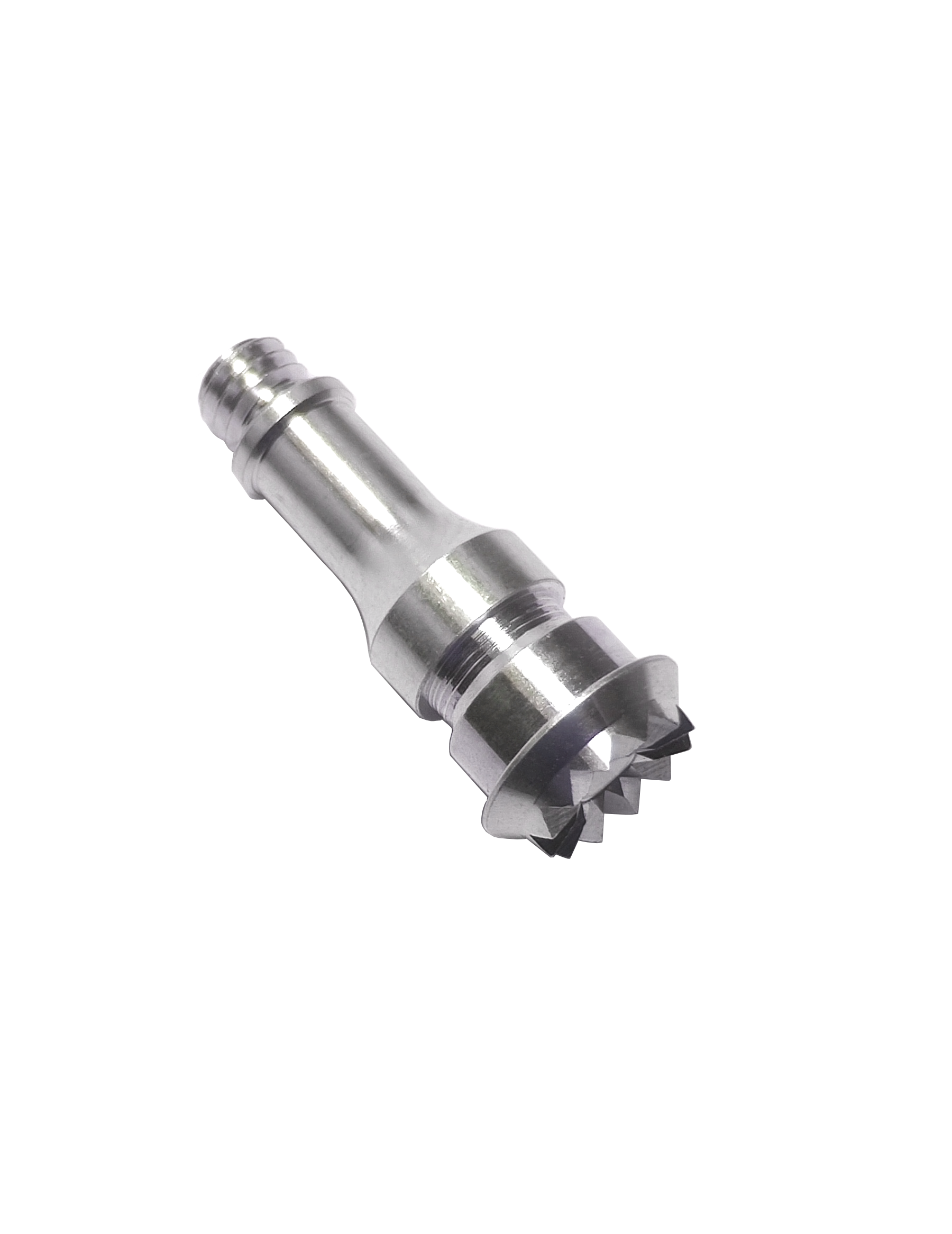
In modern mechanical engineering, fasteners are no longer simple components that merely hold two parts together—they have evolved into precision-engineered elements designed to withstand extreme loads, guarantee structural reliability, and support the performance of advanced machinery. Whether used in industrial automation, manufacturing equipment, automotive systems, construction machinery, or energy applications, the quality of a fastener directly affects the long-term durability, accuracy, and safety of the entire system.
Today, global manufacturing is moving toward higher speeds, smarter automation, and stricter safety standards. As a result, fasteners must offer improved mechanical strength, superior corrosion resistance, precise dimensional tolerances, and traceable quality certifications. This article provides a comprehensive technical overview of modern high-performance fasteners, covering materials, surface treatments, production processes, inspection standards, industry applications, and the advanced equipment that makes precision production possible.
Manufacturers across industries are facing increasingly demanding challenges:
• Components must withstand higher vibration and torque
• Machinery operates under higher temperatures or corrosive environments
• Tighter dimensional tolerances are required for automated assembly lines
• Customers demand longer lifecycle and lower failure rates
• International markets require stricter certifications and traceability
These challenges cannot be solved by traditional carbon steel screws or basic surface-coated bolts. Mechanical engineers increasingly seek fasteners that offer:
Advanced material strength
High precision and consistency
Corrosion and fatigue resistance
Compatibility with automated installation
Certification that meets global standards
To address these modern engineering requirements, we design and manufacture industrial-grade fasteners that combine material innovation, advanced surface engineering, strict testing systems, and high-precision CNC production.
Fastener performance begins with raw material quality. Different industries require different levels of tensile strength, ductility, fatigue performance, and corrosion resistance. Below is an expanded overview of commonly used materials.
Still widely used due to its cost-performance ratio, carbon steel is suitable for general machinery, construction hardware, and basic assemblies. Through heat treatment (quenching and tempering), carbon steel fasteners can achieve tensile strengths above 10.9 grade.
Chosen for high-strength applications, alloy steel includes elements such as chromium, molybdenum, nickel, and vanadium. These fasteners provide:
High tensile strength
Excellent fatigue resistance
Superior hardness after heat treatment
Applications include automotive engines, construction equipment, heavy machinery, and industrial robots.
Stainless steel fasteners are ideal for environments requiring corrosion resistance. Common grades include:
304: General corrosion resistance
316: Marine and chemical environments
410/420: High hardness martensitic stainless steel
These fasteners resist oxidation, moisture, and chemical exposure.
Used in aerospace, drones, lightweight machinery, and new-energy vehicles.
Benefits include:
Lightweight
Excellent strength-to-weight ratio
High corrosion resistance
Titanium fasteners are preferred for high-end performance industries that require both strength and reduced weight.
Surface engineering plays a crucial role in improving fastener performance. Below are common treatments used on our products:
Provides a protective layer that prevents oxidation and rust. Options include:
White zinc
Yellow zinc
Black zinc
Offers enhanced wear resistance, smooth finish, and moderate corrosion protection.
Creates a uniform coating suitable for automotive and appliance components.
Enhances corrosion resistance and aesthetic appearance.
Improves the surface hardness and reduces glare, suitable for tools and machinery.
High-performance anti-corrosion coating commonly used in
Automotive structural parts
Outdoor equipment
Wind energy components
These treatments are essential for ensuring long-term durability in demanding environments.
Precision is one of the most critical elements of industrial fasteners. High-performance machinery requires accurate tolerances to ensure smooth assembly, consistency, and long-term operational stability.
We maintain strict tolerance control through:
High-speed CNC turning
Automated thread-rolling
In-line digital measurement
100% optical inspection for critical parts
Below is an example table summarizing standard tolerance ranges:
| Fastener Type | Standard Tolerance | High Precision Option |
|---|---|---|
| Bolts | ±0.10–0.20 mm | ±0.02–0.05 mm |
| Screws | ±0.05–0.12 mm | ±0.01–0.03 mm |
| Pins | ±0.02–0.08 mm | ±0.005–0.02 mm |
| Nuts | ±0.10–0.25 mm | ±0.03–0.06 mm |
Such tolerance accuracy ensures compatibility with robotic assembly systems and automated production lines.
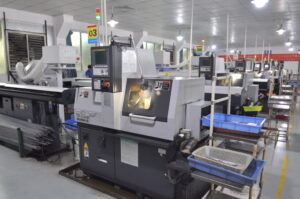
To produce precision fasteners consistently and efficiently, our facility is equipped with advanced manufacturing systems, including:
High-speed CNC lathes
Automatic cold heading machines
Multi-station forging equipment
Servo thread rolling machines
Automated tapping centers
Optical inspection machines
Torque and tensile testing machines
These machines ensure every fastener meets dimensional, mechanical, and surface quality requirements before packaging and delivery.


We strictly follow international quality standards:
ISO 9001 Quality Management
IATF 16949 Automotive Quality System
RoHS Compliance
Material traceability reports
Salt spray test records
Full mechanical properties data sheets
Certifications ensure our fasteners meet the requirements of global markets such as the U.S., Europe, and the Middle East.
Our fasteners are widely used in:
Industrial machinery
Automotive manufacturing
Aerospace components
Railway and transportation equipment
Energy equipment (solar, wind, oil & gas pipelines)
Smart robots and automation systems
Construction and structural engineering
Consumer electronics and appliances
Each industry has unique requirements, and we customize materials and surface treatments accordingly.
To help engineers understand real-world challenges, here are typical scenarios:
Solution: Use alloy steel fasteners + thread-locking coatings + precision fit.
Solution: Stainless steel or Dacromet-coated fasteners.
Solution: Heat-resistant alloy steel with advanced heat treatment.
Below is a sample chart showing the rising demand for high-strength fasteners in industrial machinery:
(The chart is written conceptually for your website layout)
2021: 12% increase
2022: 18% increase
2023: 23% increase
2024: 31% increase
2025: 37% projected
This growth reflects the global shift toward automation, robotics, and smart manufacturing.
High-performance fasteners are essential to the reliability of modern mechanical engineering systems. With advanced materials, precision production equipment, and globally recognized certifications, we deliver top-quality fasteners that meet the demands of next-generation machinery. Whether for industrial automation, automotive assembly, or heavy engineering equipment, our fastener solutions provide durability, precision, and long-term performance.