
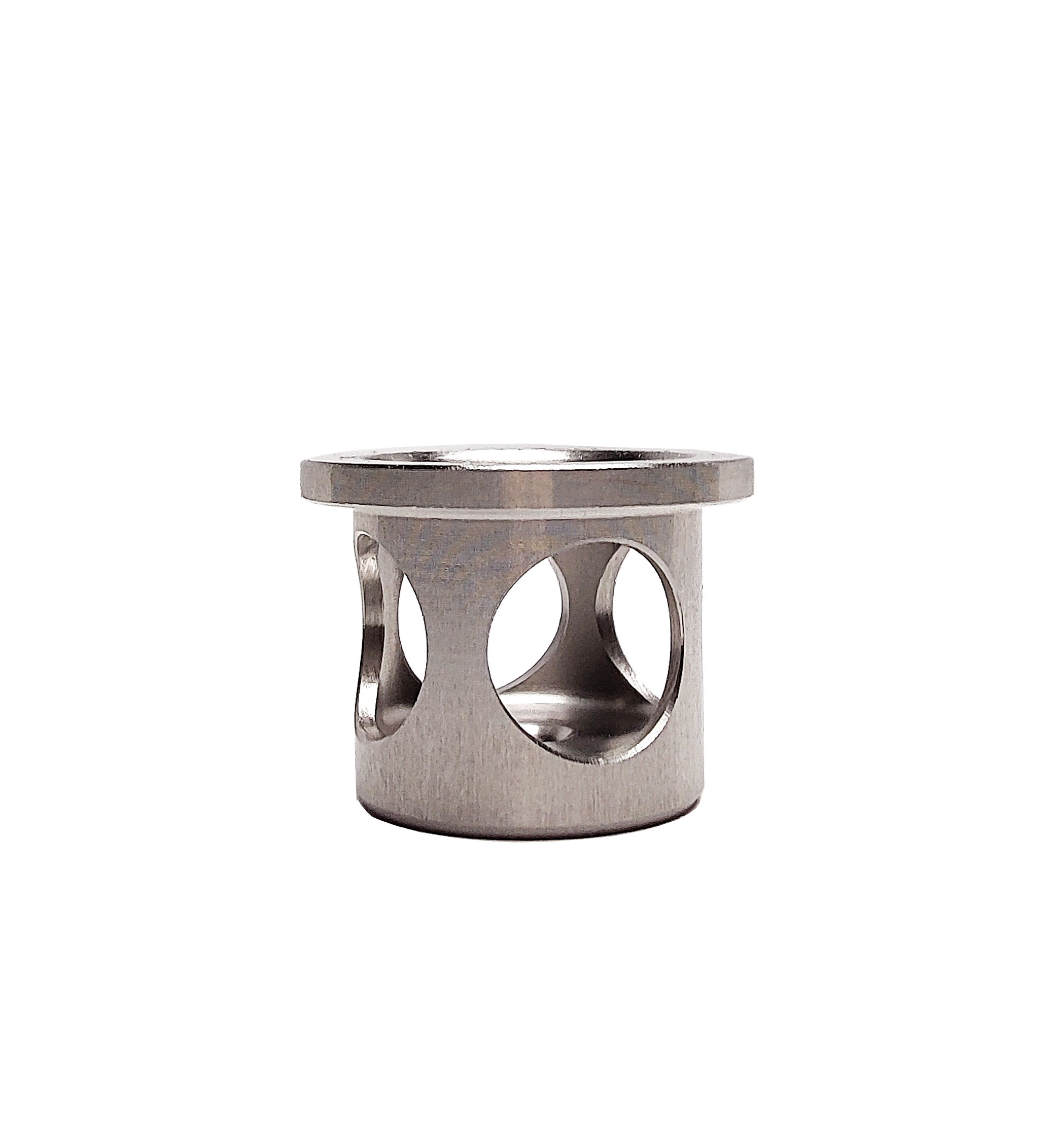
Gas pipeline fittings are fundamental components used to connect, redirect, extend, or terminate gas pipelines in residential, commercial, and industrial gas systems. These fittings ensure secure connections, stable pressure transmission, and long-term leak prevention across the entire gas distribution network.
As gas systems transport flammable and high-risk media such as natural gas, LPG, and industrial gases, the reliability of pipeline fittings directly affects operational safety and system lifespan. Poor-quality fittings may cause leakage, pressure loss, corrosion failure, or even severe safety incidents. Therefore, selecting high-quality, precisely manufactured gas pipeline fittings is essential for any gas infrastructure project.
As a professional hardware and metal fittings manufacturer, our company specializes in producing high-precision gas pipeline fittings that comply with international standards. With advanced production equipment, strict quality control systems, and comprehensive certification coverage, we provide stable, durable, and safe connection solutions for global gas pipeline applications.
Gas pipeline fittings are designed to form secure mechanical joints between pipes, valves, meters, and gas-consuming equipment. They play a crucial role in maintaining system integrity under continuous gas flow, vibration, temperature fluctuation, and pressure variation.
Our gas pipeline fittings product range includes, but is not limited to:
Elbows (45°, 90°, 180°) – used to change gas flow direction without disturbing pressure balance
Tees and Cross Fittings – enable branching or merging of gas pipelines
Couplings and Unions – connect straight pipe sections and allow disassembly for maintenance
Reducers and Bushings – adapt pipelines of different diameters
Adapters – convert between thread types or connection standards
Caps and Plugs – seal pipeline ends safely
Nipples and Extensions – extend gas lines or connect accessories
Each fitting is engineered to ensure consistent internal geometry, smooth gas flow, and reliable sealing performance.
Gas pipeline fittings must maintain tight sealing performance throughout their service life. Our fittings are designed with optimized sealing structures such as:
Precision-machined threads for tight engagement
Optimized thread angles and pitch for pressure resistance
Smooth internal surfaces to reduce turbulence
Reinforced wall thickness for pressure stability
These structural designs ensure that fittings can withstand continuous gas pressure, thermal expansion, and mechanical stress without leakage.
Material selection is a critical factor that determines the mechanical strength, corrosion resistance, pressure rating, and lifespan of gas pipeline fittings. We offer a wide range of material options to suit different gas environments and application requirements.
Carbon steel gas fittings are widely used in industrial and commercial gas systems. They offer:
High tensile strength
Excellent pressure resistance
Cost-effective performance for large-scale projects
Carbon steel fittings are suitable for medium to high-pressure gas transmission systems, especially in industrial plants and underground pipelines.
Stainless steel gas pipeline fittings provide outstanding corrosion resistance and long-term stability. Key advantages include:
Resistance to rust, oxidation, and chemical corrosion
High temperature and pressure tolerance
Long service life in outdoor or harsh environments
SS316 fittings are particularly suitable for coastal, chemical, or high-humidity environments where corrosion protection is critical.
Brass is a commonly used material for residential and commercial gas fittings due to its excellent machinability and sealing properties. Brass gas fittings offer:
Good corrosion resistance
Stable mechanical performance
Compatibility with LPG and natural gas
They are widely used in gas meters, household gas lines, and commercial kitchens.
Copper gas fittings are mainly applied in low-pressure gas systems. Their advantages include:
Lightweight and easy installation
Good thermal conductivity
Moderate corrosion resistance
Copper fittings are often used in residential buildings and small commercial gas networks.
For extreme operating conditions, alloy steel gas fittings provide enhanced mechanical properties such as:
Superior tensile strength
Resistance to high temperature and pressure
Structural stability in demanding industrial applications
These fittings are widely used in petrochemical plants, power stations, and industrial gas transmission systems.
Surface treatment significantly improves the durability, corrosion resistance, and visual quality of gas pipeline fittings. Our company offers multiple surface finishing solutions based on material type and application environment.
Zinc-plated gas fittings provide effective corrosion protection and are widely used in carbon steel fittings. This treatment creates a sacrificial protective layer that prevents rust formation.
Nickel plating offers superior wear resistance and corrosion protection while maintaining a smooth and attractive appearance. It is commonly applied to brass and steel fittings used in visible installations.
Black oxide coating improves surface stability and provides basic corrosion resistance. It is suitable for indoor gas systems where environmental exposure is limited.
Electropolishing is applied mainly to stainless steel fittings. It enhances surface smoothness, improves cleanliness, and reduces the risk of gas contamination.
Passivation removes surface impurities from stainless steel fittings, increasing corrosion resistance and extending service life.
All surface treatments are conducted in compliance with environmental regulations such as RoHS and REACH.
Our gas pipeline fittings are manufactured through a highly controlled process that ensures precision, consistency, and safety.
Raw material inspection
CNC machining and forming
Thread cutting and deburring
Heat treatment (if required)
Surface finishing
Leak and pressure testing
Final inspection and packaging
Each step is strictly monitored to ensure compliance with technical specifications and customer requirements.
Our factory is equipped with advanced manufacturing and inspection equipment to guarantee consistent product quality.
CNC turning and milling machines
Automatic forging machines
Precision thread rolling equipment
Coordinate Measuring Machines (CMM)
Pressure and leak testing systems
Surface polishing and coating lines
Laser marking machines for traceability
Continuous investment in modern equipment allows us to maintain high production efficiency and stable quality.


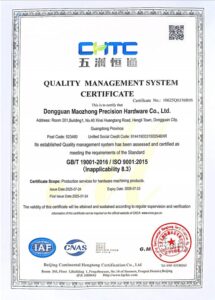
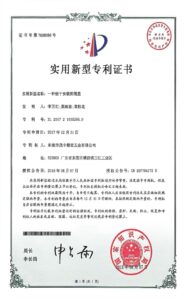
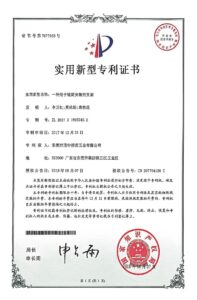
Quality and safety are the foundation of our manufacturing philosophy. Our company holds multiple international certifications, including:
ISO 9001 Quality Management System
ISO 14001 Environmental Management System
CE Certification for European markets
RoHS Compliance
SGS / TUV Inspection Reports
These certifications ensure that our gas pipeline fittings meet international regulatory and safety requirements.
Our gas pipeline fittings are widely used in:
Residential gas distribution systems
Commercial buildings and kitchens
Industrial gas transmission pipelines
Petrochemical and energy facilities
Gas meters and control systems
Public utility gas networks
They are suitable for natural gas, LPG, and various industrial gas applications.
Proper installation and maintenance ensure long-term system safety:
Clean threads before installation
Use certified sealing materials
Avoid excessive tightening
Conduct regular leak inspections
Replace fittings showing wear or corrosion
Following correct procedures reduces maintenance costs and extends system life.
High dimensional accuracy
Wide material and size selection
Custom OEM & ODM solutions
Strict quality control system
Stable production capacity
Global export experience
We are committed to providing reliable gas connection solutions for customers worldwide.
Gas pipeline fittings are critical safety components in gas distribution systems. Their quality directly affects operational safety, efficiency, and longevity.
As an experienced hardware manufacturer, we provide high-performance gas pipeline fittings with reliable materials, advanced surface treatments, modern equipment, and internationally recognized certifications. Our products are designed to meet the demanding requirements of global gas infrastructure projects.
We welcome long-term cooperation with distributors, contractors, and system integrators worldwide.