
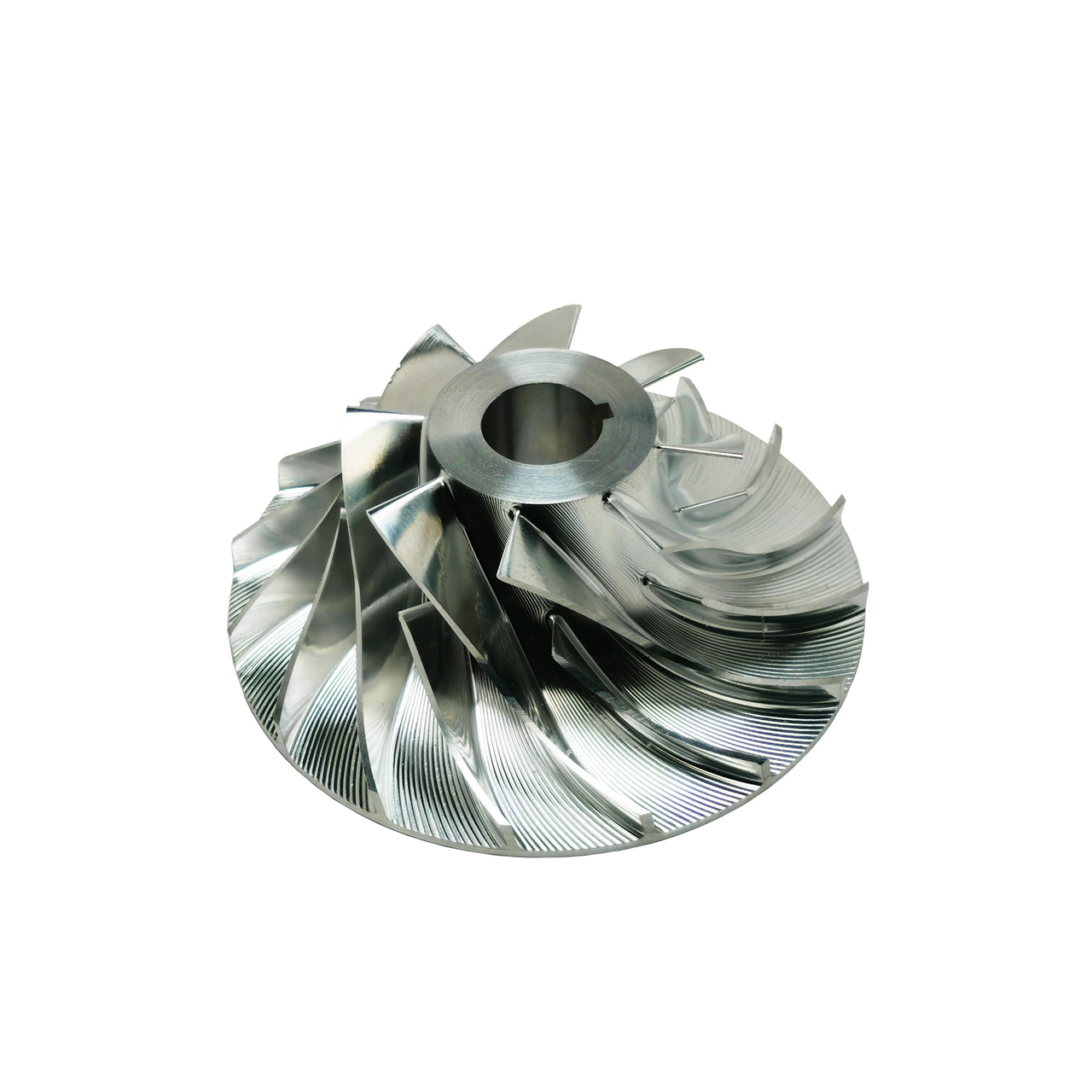
The automotive industry depends on a wide range of precision metal components to support mechanical assemblies, electrical systems, fluid systems, sensors, and other vehicle applications. Many of these components are small and highly customized, requiring accurate dimensions, consistent materials, reliable machining, and stable production quality.
From automotive bushings and sleeves to precision shafts, pins, spacers, connectors, fittings, collars, and threaded components, CNC machining provides an efficient solution for manufacturing customized automotive hardware.
Dongguan Maozhong Precision Hardware LTD. specializes in custom CNC automotive parts manufactured according to customer drawings, CAD files, samples, and technical specifications. With more than 80 CNC machines, Japanese STAR Swiss-type CNC equipment, multi-axis machining capabilities, and professional inspection equipment, we provide precision manufacturing services for automotive suppliers, OEM customers, and engineering companies.
Our capabilities include CNC turning, Swiss-type machining, milling, drilling, threading, grooving, deburring, inspection, and surface treatment. We support prototype production, small batches, repeat orders, and larger-volume manufacturing.
Automotive manufacturers often require non-standard components designed specifically for their assemblies. Standard hardware may not provide the exact dimensions, threads, holes, grooves, or surface finish required for a particular project.
Our custom CNC machining service allows customers to manufacture components according to their own engineering requirements.
Typical products include:
Each component can be manufactured according to its individual drawing and technical specification.
Before production, our engineering team reviews the material, dimensions, tolerance requirements, machining features, surface treatment, and production quantity. This helps determine an appropriate manufacturing process for the specific part.
Automotive hardware may appear simple, but many components require carefully controlled dimensions to ensure proper assembly.
A bushing may require a precise inner diameter and outer diameter.
A shaft may contain several diameters, shoulders, grooves, and threads.
A spacer may need a specific length and controlled end-face dimensions.
A connector may require accurate internal and external threads.
CNC machining allows these different features to be produced according to customer drawings.
For repeat automotive production, maintaining consistency from one batch to another is also important. Our manufacturing process is designed to provide stable machining conditions and repeatable dimensional results.
CNC turning is particularly suitable for automotive components with cylindrical or rotational structures.
Our CNC turning capabilities can produce:
Depending on the product design, machining operations may include turning, facing, grooving, threading, drilling, boring, chamfering, and parting.
For components with more complex structures, additional milling or multi-axis machining operations can be applied.
The manufacturing method is selected according to the component’s geometry, material, tolerance, and production volume.
Precision shafts and pins are commonly used in mechanical assemblies.
A custom automotive shaft may contain multiple diameters, grooves, shoulders, holes, or threaded sections. CNC turning provides precise control over these features.
We can manufacture different types of customized shafts and pins, including:
The exact dimensions and material are controlled according to the customer’s drawing.
For small-diameter components requiring multiple machining features, Swiss-type CNC machining can be considered as an efficient production method.
Bushings and sleeves are important categories of automotive precision components.
Typical requirements may include:
We manufacture custom bushings and sleeves from different engineering materials according to customer specifications.
Depending on the project, available materials may include brass, stainless steel, aluminum, steel, copper alloys, and other specified materials.
For OEM applications, we can manufacture different dimensions and configurations according to the customer’s original design.
Spacers and collars are commonly used in mechanical assemblies where accurate positioning or separation between components is required.
CNC machining can produce customized spacers and collars with:
These parts can be produced according to customer drawings and inspected using precision measurement equipment.
For repeat orders, manufacturing parameters can be maintained to support consistent production between batches.
Automotive systems may require customized metal fittings, connectors, adapters, and other precision interfaces.
These parts can include:
Common materials include stainless steel, brass, aluminum, and steel.
Custom CNC machining provides flexibility when standard fittings cannot meet the dimensions or interface requirements of an automotive assembly.
Customers can provide drawings, samples, or CAD models for evaluation before production.
Material selection has an important influence on the performance and manufacturing process of automotive components.
We support a variety of commonly used engineering materials.
Stainless steel is suitable for components where corrosion resistance and mechanical properties are important.
Common grades include SUS303, SUS304, and SUS316.
These materials can be used for fittings, shafts, bushings, sleeves, connectors, and other precision metal components.
Aluminum offers low density and good machinability.
Common options include 6061 and 7075.
Aluminum can be a suitable choice for components where weight reduction and machining efficiency are important.
Brass has excellent machinability and is commonly used for precision fittings, connectors, bushings, inserts, and other small components.
Steel materials can be selected for components requiring appropriate strength and durability.
The specific grade should be determined according to the customer’s drawing and technical requirements.
Copper and copper alloys can be used for components where electrical or thermal conductivity is required.
Titanium can be evaluated for specialized components requiring a combination of strength, low density, and corrosion resistance.
Some automotive components can also be manufactured from engineering plastics where the design and application permit.
Material selection should always be based on the actual engineering requirements of the component.
After CNC machining, some automotive components require additional surface treatment.
We can support several finishing options.
Anodizing is commonly used for aluminum components to provide a controlled surface finish.
Hard anodizing can provide an enhanced surface layer for suitable aluminum parts.
Sandblasting can create a consistent matte surface texture.
Black oxide is commonly applied to suitable steel components.
Nickel plating can provide a specified plated surface finish and additional surface protection for suitable parts.
Gold plating is available for selected components according to customer requirements.
Polishing can be used where a smoother surface appearance is required.
The appropriate finishing method depends on the material, product design, surface requirements, and customer specifications.
Small precision automotive components can benefit from Swiss-type CNC machining.
Our facility includes Japanese STAR Swiss-type CNC equipment suitable for manufacturing small-diameter precision components with multiple features.
Depending on the design, Swiss-type machining can support:
This type of CNC machining is suitable for projects requiring repeatable production of small precision components.
It can also help integrate multiple machining features into an efficient manufacturing process.
Not every automotive component can be efficiently manufactured using conventional turning alone.
Some parts contain multiple surfaces, holes, slots, or other features requiring additional machining operations.
Our capabilities include:
The appropriate equipment is selected according to the product structure and production requirements.
For suitable components, multi-axis machining can help reduce unnecessary setup operations and improve manufacturing efficiency.
Quality control is an important part of automotive component manufacturing.
Our inspection equipment includes:
Critical dimensions are inspected according to customer drawings and agreed quality requirements.
For suitable products, our CNC machining capability can reach approximately ±0.005 mm.
Actual achievable tolerances depend on the material, product geometry, dimensions, machining process, and inspection requirements.
Instead of applying the same tolerance to every feature, we evaluate the actual engineering requirements of each component.
Our manufacturing process connects engineering review, machining, inspection, and finishing.
We review customer drawings, 3D CAD models, samples, materials, tolerances, surface treatments, and other technical requirements.
The part is evaluated to determine the appropriate CNC equipment and machining process.
After reviewing the available information, we calculate the manufacturing requirements and prepare a quotation.
For suitable projects with complete technical information, quotation can be provided within approximately three hours.
The specified raw material is prepared according to the approved requirements.
The selected CNC machine performs turning, milling, drilling, threading, grooving, or other required operations.
Machining burrs and unwanted sharp edges are removed.
Critical dimensions and product features are checked using suitable measurement equipment.
If required, parts are sent for the specified surface treatment.
Finished components undergo final quality checks before being properly packaged for shipment.
We provide OEM and ODM manufacturing services for customized automotive components.
Customers can provide:
Our engineering team reviews the information before production.
This allows the manufacturing process to remain closely connected to the customer’s original product design.
We support projects from initial prototypes to small-batch production and larger-volume repeat orders.
Custom CNC automotive parts can be used in many vehicle-related systems and assemblies.
Shafts, bushings, pins, spacers, sleeves, collars, and other precision components.
Connectors, terminals, inserts, housings, and customized metal components.
Small housings, sleeves, mounting components, and precision interfaces.
Fittings, adapters, threaded components, sleeves, and connectors.
Fasteners, brackets, inserts, spacers, and other non-standard metal parts.
The final material, dimensions, machining process, and surface treatment should always be determined according to the actual engineering requirements.
Our production facility has more than 80 CNC machines supporting different precision machining requirements.
Our equipment capabilities include:
Different equipment is selected according to the part’s geometry, material, dimensions, tolerances, and production volume.
Our quality management systems include ISO 9001 and IATF 16949.
ISO 9001 provides a structured framework for quality management, manufacturing procedures, inspection, and continuous improvement.
IATF 16949 is an automotive-industry quality management standard supporting systematic quality management within the automotive supply chain.
These systems help establish standardized production and quality-control procedures.
Individual customer requirements and inspection specifications are reviewed separately for each project.
A reliable automotive parts supplier needs to provide more than machining capability.
Customers also need stable production, professional inspection, material options, surface treatment, and clear communication.
Our manufacturing advantages include:
We focus on producing customized components according to customer drawings and agreed technical specifications.
We manufacture custom shafts, bushings, pins, sleeves, spacers, collars, fittings, connectors, threaded parts, fasteners, and other precision CNC automotive components.
Yes. We can manufacture according to 2D drawings, 3D CAD files, samples, and technical specifications.
We commonly process stainless steel, aluminum, brass, copper, steel, titanium, and engineering plastics.
Yes. Our Japanese STAR Swiss-type CNC equipment is suitable for many small and precision components.
For suitable components, our machining capability can reach approximately ±0.005 mm. Actual tolerance depends on product design, material, size, and machining conditions.
Yes. We can provide anodizing, hard anodizing, sandblasting, black oxide, nickel plating, gold plating, polishing, and other specified finishing processes where applicable.
Yes. We support prototype, small-batch, repeat-production, and larger-volume projects.
For suitable projects with complete technical information, quotation can be provided within approximately three hours.
Precision automotive components require a combination of suitable materials, reliable CNC equipment, accurate machining, professional inspection, and consistent quality management.
Dongguan Maozhong Precision Hardware LTD. specializes in custom CNC automotive parts including shafts, bushings, pins, sleeves, spacers, fittings, connectors, collars, fasteners, and other precision metal components.
With more than 80 CNC machines, Japanese STAR Swiss-type CNC equipment, multi-axis machining capabilities, professional inspection equipment, ISO 9001 certification, and IATF 16949 certification, we can support automotive customers from prototype development through repeat production.
If you have a 2D drawing, 3D CAD model, sample, or product specification, send it to us for evaluation and quotation.
Our team can review your requirements and provide a suitable manufacturing solution for your automotive precision components.
If you are interested in this exceptional product, please feel free to contact us through the message box on the left side or the contact information provided below. We are eager to collaborate with you for a brighter future!