The global drone industry has experienced explosive growth over the past decade. Drones are no longer limited to aerial photography or recreational flying. Today, unmanned aerial vehicles (UAVs) are widely used in agriculture, logistics, mapping, industrial inspection, security monitoring, emergency rescue, military operations, smart cities, and infrastructure maintenance. As drone technology evolves toward higher intelligence, longer flight time, larger payloads, and greater stability, the demand for high-precision drone hardware components has increased dramatically.
Drone performance relies heavily on the quality of its structural hardware, propulsion system components, mounting parts, connectors, and precision fasteners. Every gram of weight, every micron of tolerance, and every structural connection directly affects flight efficiency, aerodynamic balance, vibration control, and operational safety.
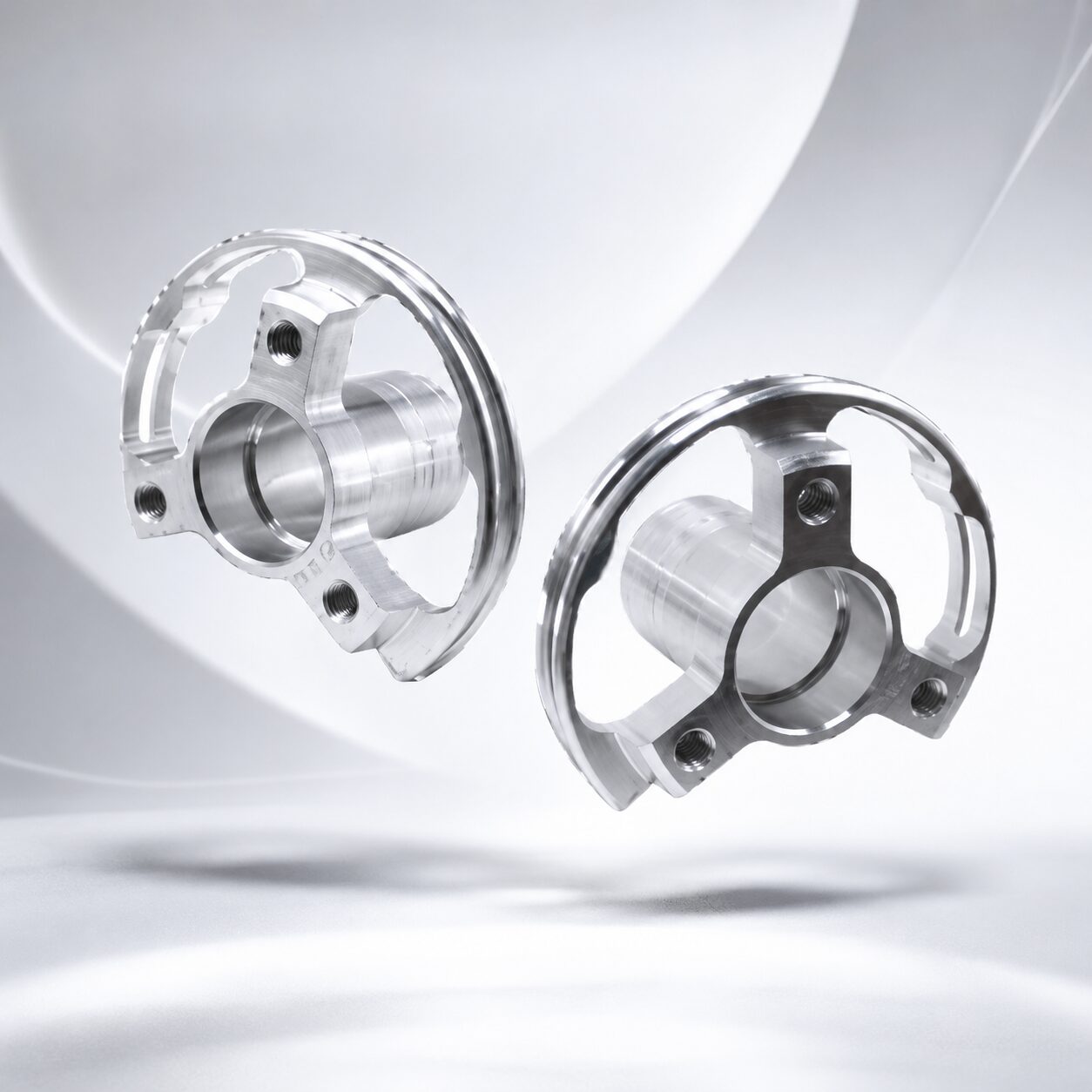
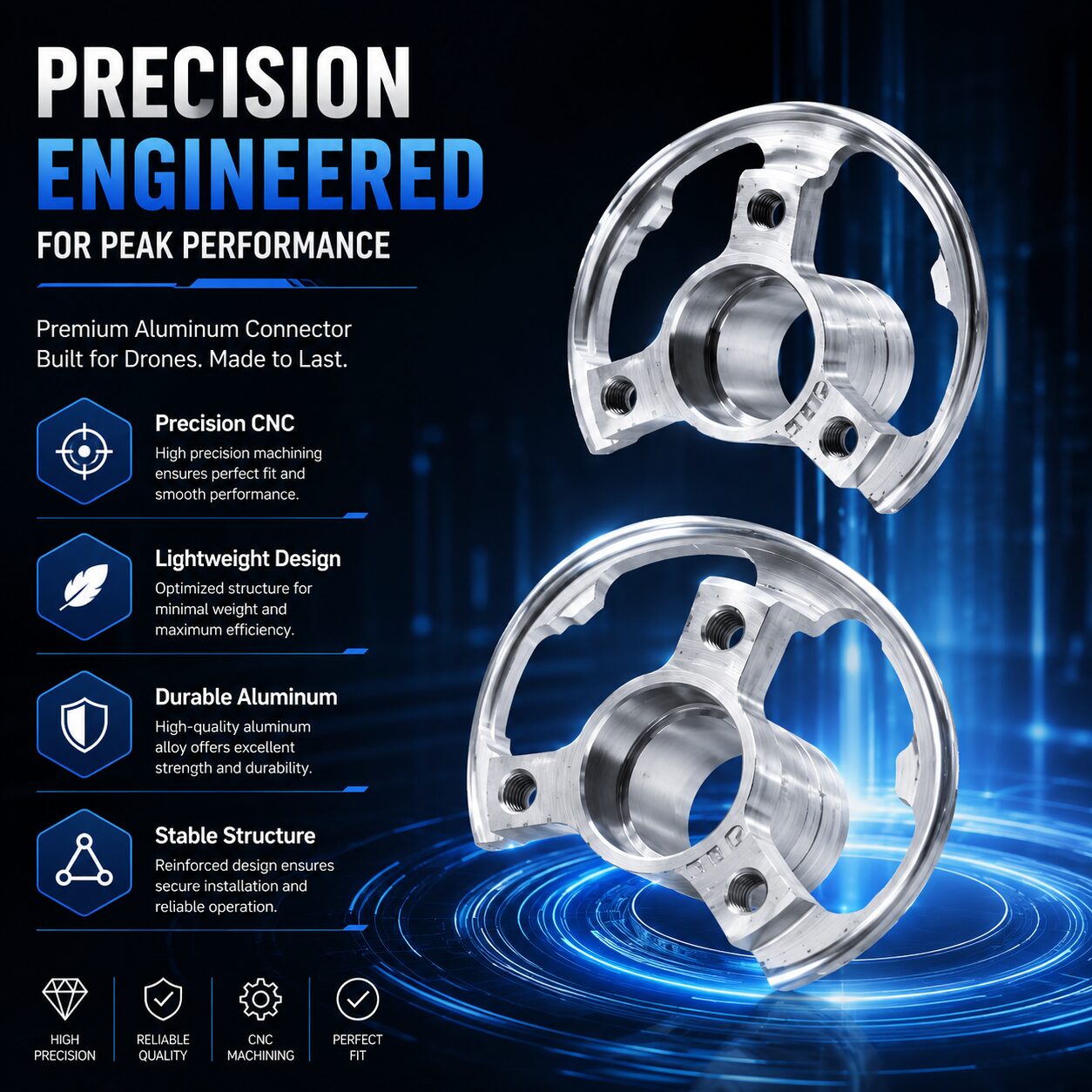
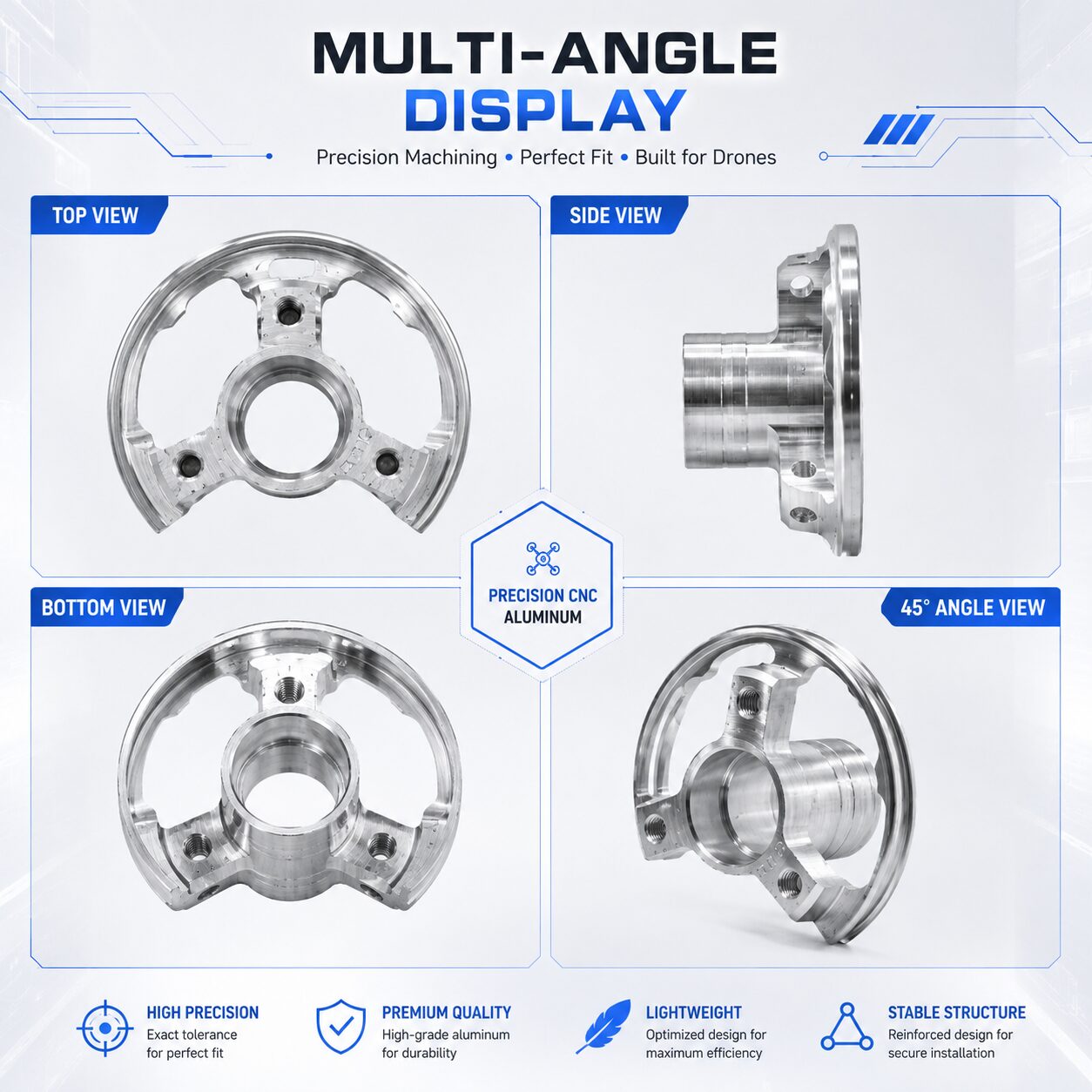
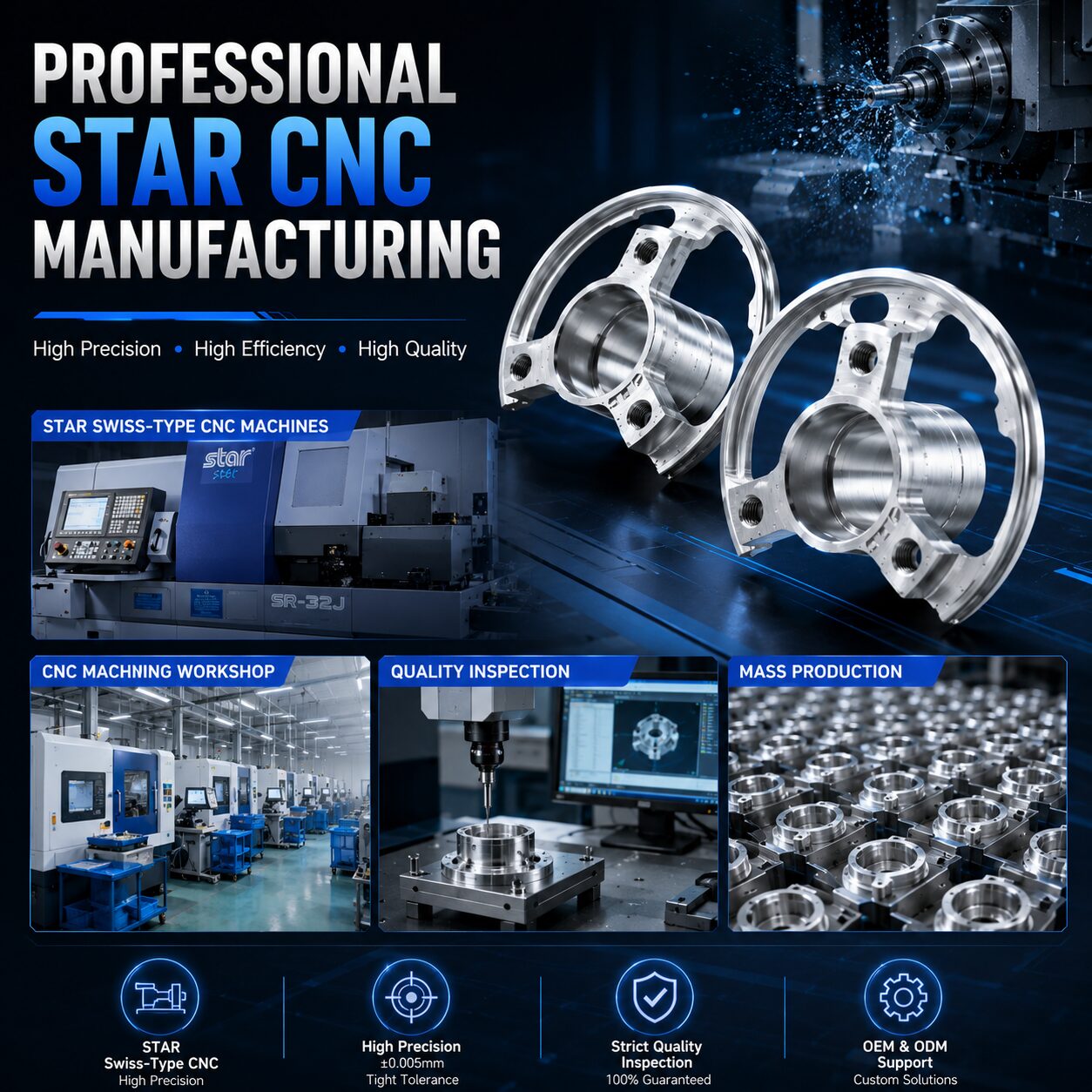
As a professional manufacturer specializing in precision metal hardware components, we provide advanced UAV hardware solutions designed for high-performance drone systems. Through CNC precision machining, high-quality materials, advanced surface treatment technologies, and strict quality inspection systems, we help customers achieve lightweight, durable, and highly reliable drone assemblies.
A drone is a highly integrated mechanical and electronic system. Unlike traditional machinery, UAVs require components that simultaneously achieve:
Low-quality drone components can lead to:
To avoid these issues, modern drone manufacturers increasingly rely on precision-engineered hardware components manufactured under strict tolerance and quality standards.
We manufacture a wide variety of precision drone hardware parts suitable for different UAV platforms and industrial applications.
Drone frames are the core load-bearing structures of UAV systems.
Products include:
These components require lightweight yet rigid construction to maintain flight stability.
Motor mounting systems directly affect propulsion efficiency and vibration performance.
Key requirements include:
Precision CNC machining ensures stable motor installation and balanced operation.
Camera stability is essential for aerial photography and surveying drones.
We manufacture:
These components improve image stabilization and reduce vibration interference.
Drone fasteners must combine lightweight construction with strong anti-vibration performance.
Products include:
Custom machined UAV parts include:
Material engineering is critical in drone manufacturing because structural efficiency directly impacts flight performance.
6061 aluminum is widely used due to:
Suitable for general UAV frames and structural components.
7075 aluminum offers:
Commonly used in racing drones, military UAVs, and industrial drones.
Carbon fiber is ideal for:
Benefits include:
Used in high-load or wear-resistant areas requiring durability and corrosion resistance.
Titanium is used in premium drone systems because of:
Ideal for aerospace UAV systems and high-end FPV drones.
Surface finishing significantly affects corrosion resistance, appearance, and component lifespan.
Anodizing is widely used for aluminum drone parts.
Advantages:
Available finishes include:
Creates a uniform matte texture while improving coating adhesion.
Precision polishing improves aesthetics and reduces surface friction.
Provides durable anti-corrosion protection and smooth finishing.
Supports custom logos, serial numbers, and product identification.
Drone hardware design requires balancing weight, strength, and airflow efficiency.
Reducing weight improves:
High-precision components minimize vibration, improving:
Strategic reinforcement ensures:
| Component Type | Material | Surface Finish | Tolerance |
|---|---|---|---|
| Motor Mount | 7075 Aluminum | Black Anodized | ±0.01 mm |
| Frame Connector | Carbon Fiber + Aluminum | Sandblasted | ±0.02 mm |
| Fasteners | Titanium Alloy | Polished | ±0.005 mm |
| Camera Bracket | 6061 Aluminum | Anodized | ±0.01 mm |
Heavy drones reduce battery life and agility.
Solution:
Optimize structures using lightweight aluminum and carbon fiber materials.
Weak structures affect flight stability.
Solution:
Use aerospace-grade aluminum with reinforced CNC structural designs.
Exposure to chemicals and humidity damages components.
Solution:
Apply anodizing and corrosion-resistant stainless steel hardware.
Poor structural precision causes unstable footage.
Solution:
Precision CNC machining combined with optimized gimbal structures.
To ensure precision and consistency, we utilize advanced manufacturing technologies.
Used for:
Ideal for producing:
Used for structural plates, brackets, and lightweight frame systems.
Supporting:
Including:
Every drone component undergoes strict inspection:
Our quality systems ensure reliable and repeatable production performance.
We maintain internationally recognized certifications to support global market requirements.
These certifications demonstrate our commitment to quality and reliability.
Our products are widely used in:
For photography, entertainment, and recreational applications.
High-strength lightweight components improve speed and durability.
Used for crop spraying and agricultural monitoring.
Applied in power inspection, oil pipelines, mapping, and surveying.
Require high-load structural stability and long-term durability.
Need aerospace-grade precision and lightweight engineering.
The future of UAV hardware will focus on:
Precision hardware manufacturers will continue driving the evolution of drone technology.
If you are interested in this exceptional product, please feel free to contact us through the message box on the left side or the contact information provided below. We are eager to collaborate with you for a brighter future!