1. Introduction to Gas Pipeline Fittings
Gas pipeline fittings are essential components used to connect, control, seal, and redirect gas flow within pipeline systems. Whether in residential gas supply, commercial installations, or industrial gas transmission networks, these fittings play a crucial role in ensuring safe and efficient gas delivery.
With the increasing demand for natural gas and LPG across global markets, the importance of high-quality gas pipeline fittings has become more significant than ever. These components must meet strict requirements for pressure resistance, corrosion protection, sealing reliability, and long-term durability.
As a professional manufacturer of precision metal hardware, we specialize in producing a wide range of gas pipeline fittings designed to meet international standards and customer-specific requirements. Our products are engineered for performance, safety, and consistency, making them suitable for various gas applications worldwide.
2. Product Description and Functional Characteristics
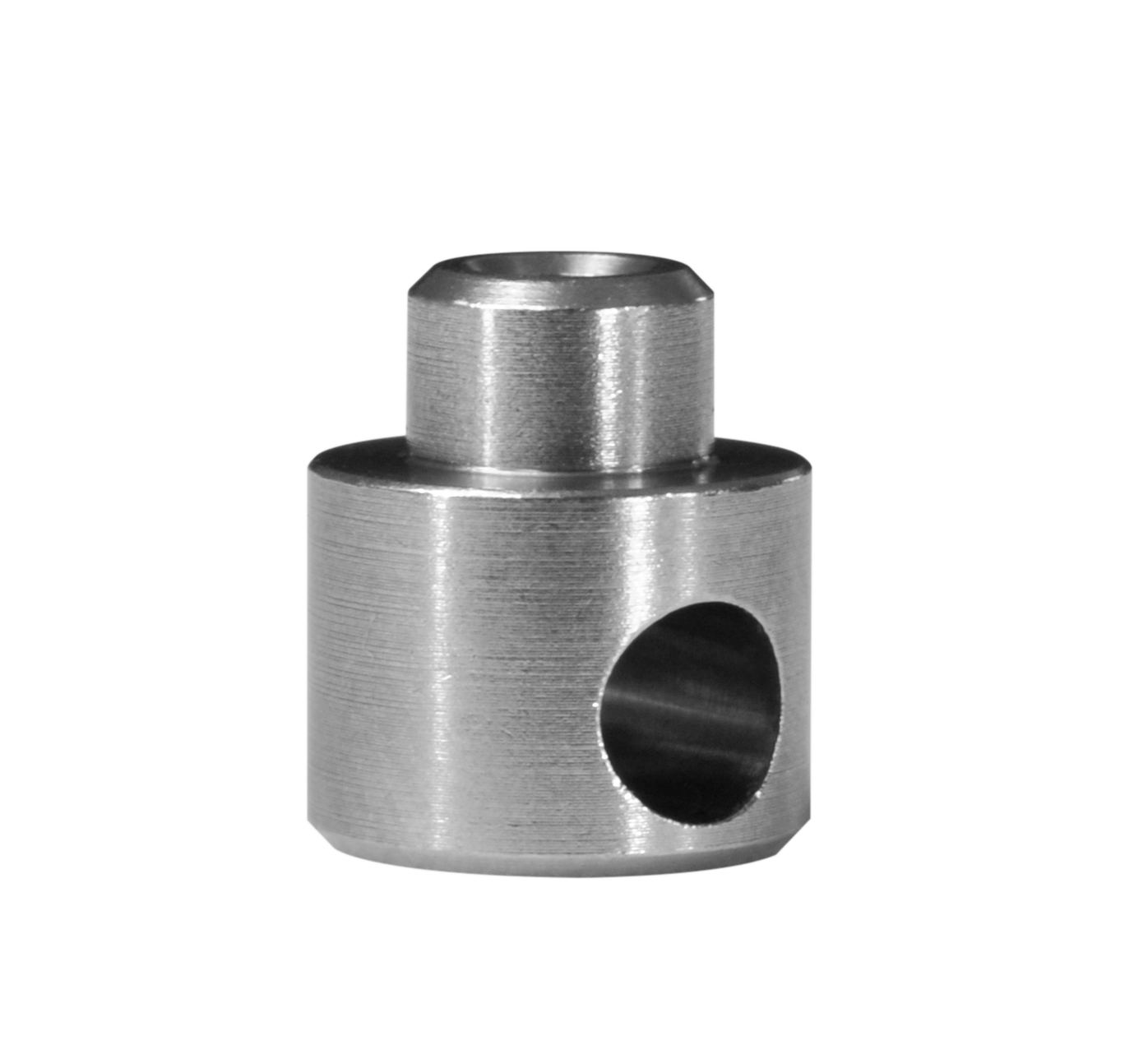
Gas pipeline fittings are designed to create secure and leak-proof connections between pipes, valves, meters, and equipment. Their primary function is to ensure that gas flows smoothly through the system without leakage or pressure loss.
2.1 Key Functional Roles
- Connecting pipelines of the same or different diameters
- Redirecting gas flow in complex pipeline layouts
- Sealing pipeline ends to prevent gas leakage
- Allowing easy disassembly for maintenance
- Adapting different thread standards and connection types
2.2 Common Types of Gas Pipeline Fittings
Our product range includes:
- Elbows (45°, 90°)
- Tees and cross fittings
- Couplings and unions
- Reducers and bushings
- Adapters and connectors
- Caps and plugs
- Threaded and customized fittings
Each type is designed with precision to ensure stable performance under different operating conditions.
3. Materials Used in Gas Pipeline Fittings
Material selection is one of the most critical factors affecting the performance and safety of gas fittings. We offer a variety of material options to meet different application environments.
3.1 Carbon Steel
Carbon steel fittings are widely used in industrial gas systems due to their high strength and cost-effectiveness. They are suitable for medium to high-pressure applications.
Advantages:
- High mechanical strength
- Excellent pressure resistance
- Cost-effective for large-scale projects
3.2 Stainless Steel (304 / 316)
Stainless steel fittings provide superior corrosion resistance and durability, making them ideal for harsh environments.
Advantages:
- Anti-corrosion and anti-rust
- Suitable for outdoor and chemical environments
- Long service life
3.3 Brass
Brass fittings are commonly used in residential and commercial gas systems due to their excellent sealing properties.
Advantages:
- Good machinability
- Strong sealing performance
- Corrosion resistance
3.4 Copper
Copper fittings are lightweight and easy to install, typically used in low-pressure gas systems.
3.5 Alloy Steel
For high-pressure and high-temperature environments, alloy steel fittings provide enhanced performance and durability.
4. Surface Treatment and Finishing
Surface treatment improves corrosion resistance, durability, and appearance of gas fittings.
4.1 Zinc Plating
Provides corrosion protection and is widely used for carbon steel fittings.
4.2 Nickel Plating
Enhances wear resistance and offers a smooth, bright finish.
4.3 Chrome Plating
Improves hardness and aesthetic appearance.
4.4 Black Oxide
Provides basic corrosion resistance and reduces reflection.
4.5 Anodizing
Used for aluminum parts to improve oxidation resistance.
4.6 Passivation
Improves corrosion resistance of stainless steel.
5. Manufacturing Process
Our gas pipeline fittings are produced using advanced manufacturing processes:
- Raw material inspection
- CNC machining
- Thread cutting and forming
- Heat treatment
- Surface finishing
- Leak testing
- Final inspection
Each step is strictly controlled to ensure product quality.
6. Our Equipment
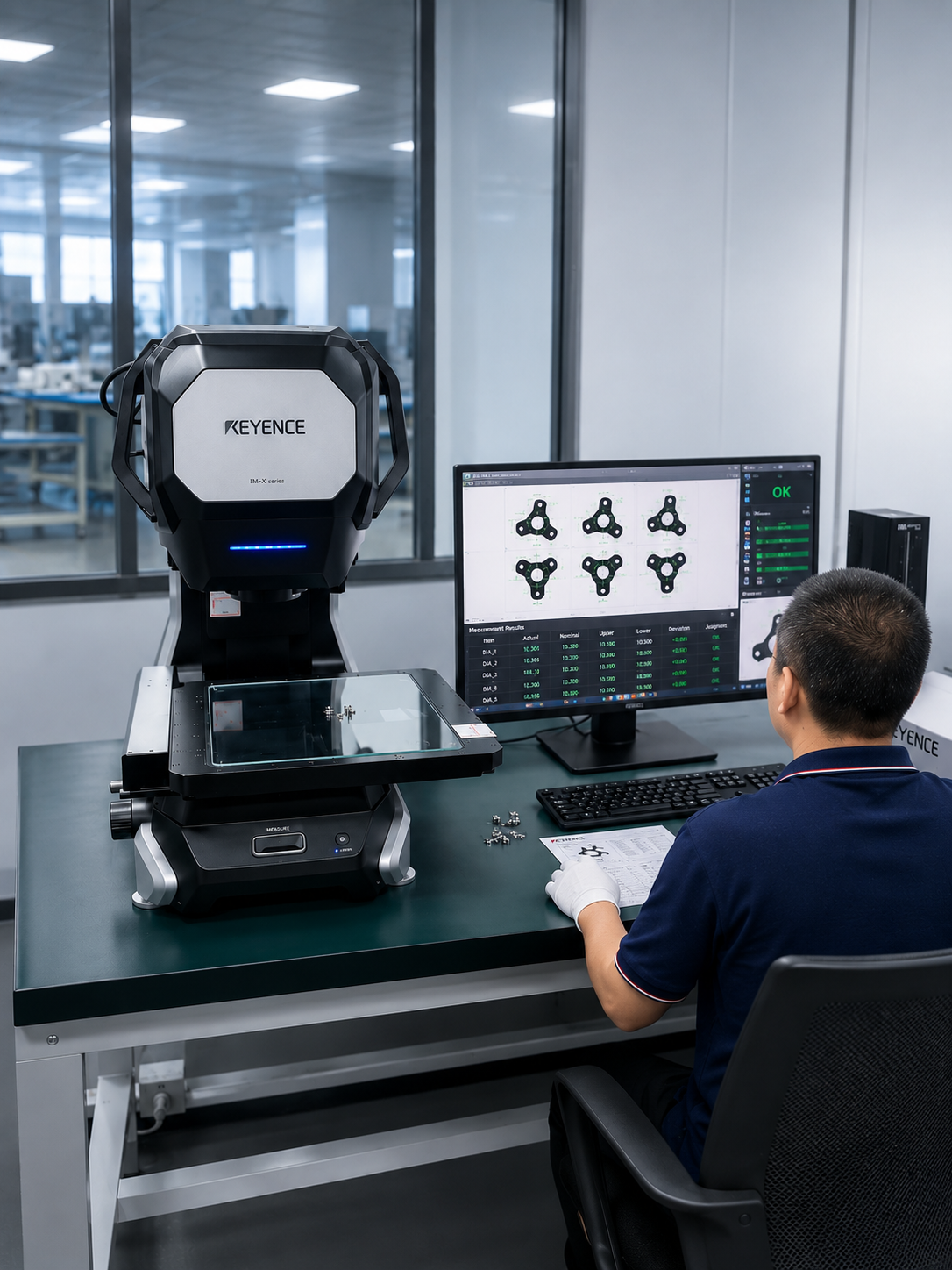
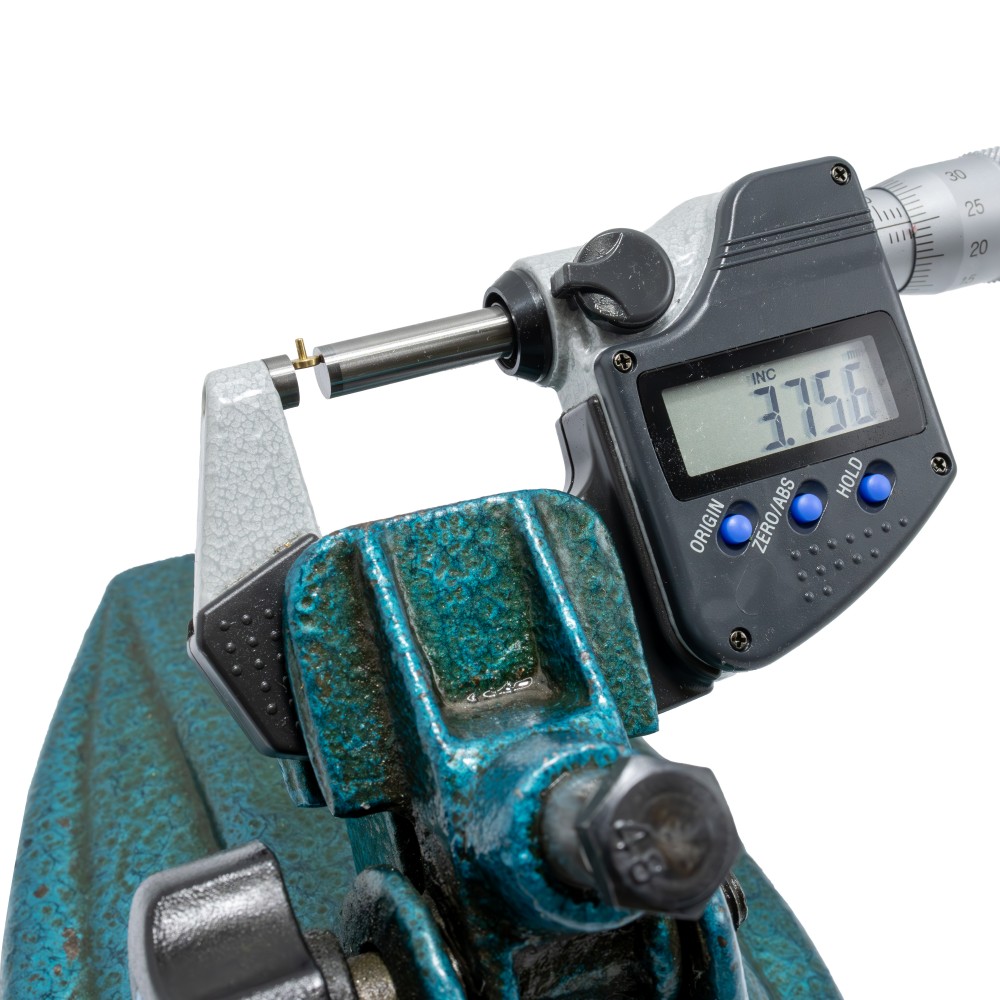
We utilize advanced production and inspection equipment to ensure precision and consistency.
Key Equipment Includes:
- CNC turning and milling machines
- Automatic production lines
- Precision thread machines
- Coordinate Measuring Machines (CMM)
- Pressure and leak testing equipment
- Surface treatment lines
These machines enable high-volume production while maintaining tight tolerances.
7. Our Certifications
We are committed to delivering products that meet international quality standards.
Certifications Include:
- ISO 9001 Quality Management System
- ISO 14001 Environmental Management System
- CE Certification
- RoHS Compliance
- SGS / TUV Testing Reports
These certifications ensure product reliability and compliance with global regulations.
8. Applications of Gas Pipeline Fittings
Our gas pipeline fittings are widely used in:
- Residential gas systems
- Commercial kitchens
- Industrial gas pipelines
- Petrochemical plants
- Energy and power industries
They provide safe and reliable connections in various gas systems.
9. Installation and Maintenance
Proper installation ensures system safety:
- Clean threads before installation
- Use sealing tape or compound
- Avoid over-tightening
- Perform regular inspections
10. Advantages of Our Products
- High precision manufacturing
- Wide material selection
- Custom OEM & ODM services
- Strict quality control
- Fast delivery
11. Conclusion
Gas pipeline fittings are essential for safe and efficient gas distribution systems. With advanced manufacturing technology, high-quality materials, and strict quality control, we provide reliable solutions for global customers.
SEO Keywords
- Gas pipeline fittings
- Gas pipe connectors
- Natural gas fittings
- Industrial gas fittings
- Metal gas pipe components
SEO Meta Description
High-quality gas pipeline fittings manufactured with precision machining, durable materials, and advanced surface treatments. Reliable solutions for residential, commercial, and industrial gas systems.