
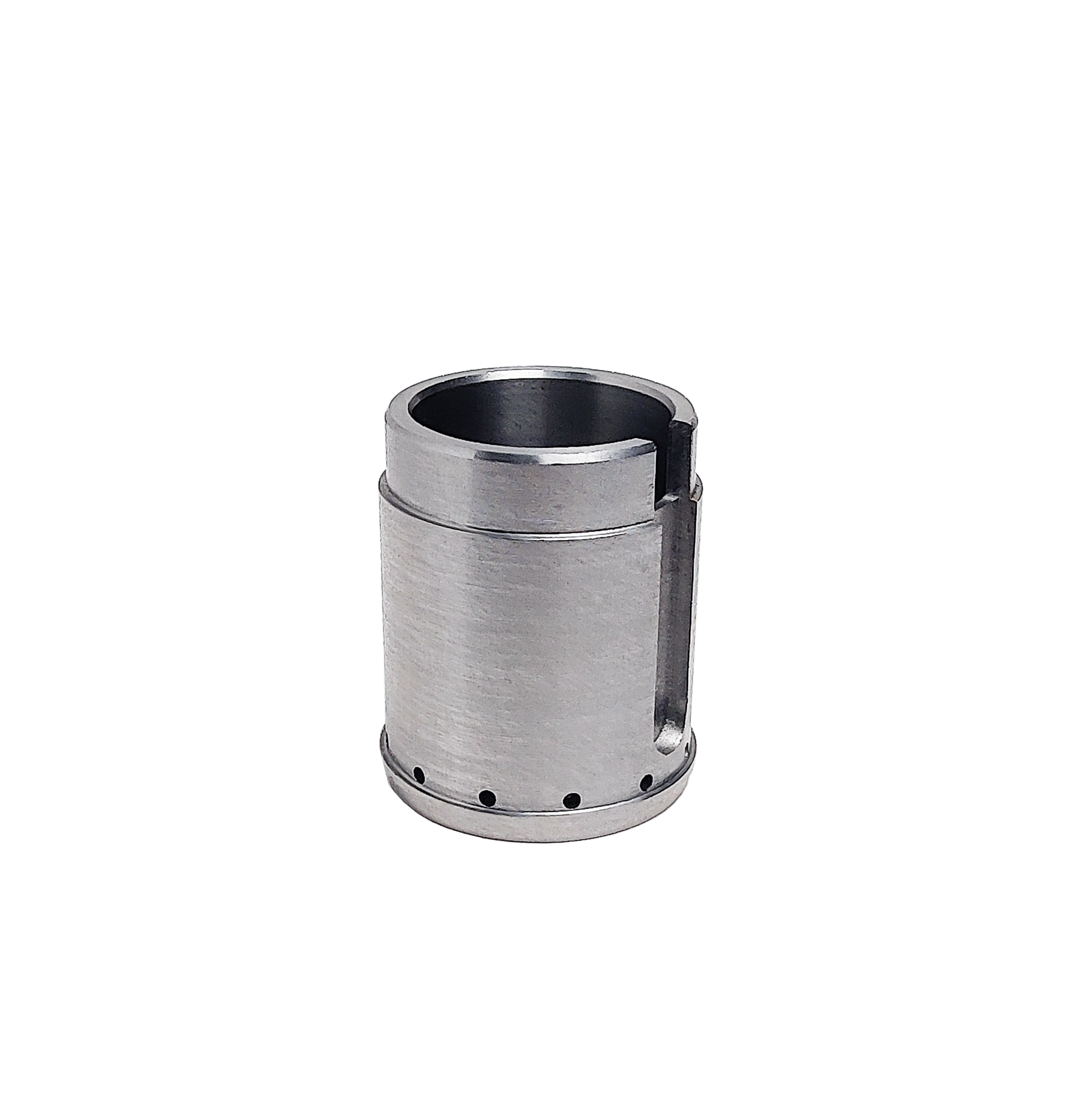
Gas distribution components are essential hardware elements used to build, connect, and maintain gas transmission systems across residential, commercial, and industrial environments. These components form the physical foundation of gas supply networks, ensuring that gaseous fuels such as natural gas and LPG are delivered safely, efficiently, and consistently from source to end-use equipment.
Unlike general-purpose piping hardware, gas distribution components are specifically designed to handle combustible gases, pressure fluctuations, and long-term exposure to varying environmental conditions. Their quality, material composition, and manufacturing precision directly affect the safety, reliability, and service life of the entire gas supply system.
As an experienced metal hardware and precision components manufacturer, our company provides a comprehensive range of gas distribution components and LPG gas supply parts, engineered to meet international safety standards and diverse application requirements.
Gas distribution components serve multiple critical functions within a gas supply network. They are responsible for:
Connecting gas pipelines securely
Redirecting or branching gas flow
Adapting different pipe sizes or standards
Sealing pipeline ends and system interfaces
Supporting maintenance, inspection, and system expansion
In large-scale gas distribution systems, even a single poorly manufactured fitting can compromise system integrity. Therefore, precision manufacturing and strict quality control are essential throughout the entire production process.
Our gas distribution hardware portfolio includes a wide variety of components designed for different installation environments and system layouts.
Directional components are used to guide gas flow along the desired pipeline route. These parts allow gas pipelines to navigate around structural obstacles without affecting flow stability.
Branching components allow gas flow to be distributed to multiple downstream lines. These parts are commonly used in commercial buildings, industrial facilities, and city gas networks.
Connection components are used to join straight pipe sections, extend gas lines, or connect equipment such as meters and regulators.
Transition components enable safe connections between pipelines of different diameters, materials, or thread standards.
Caps, plugs, and sealing components are used to isolate sections of the gas system during installation, maintenance, or future expansion.
Each component is designed to ensure smooth internal gas flow, reliable sealing, and mechanical stability.
LPG gas supply systems require specialized components due to the chemical and physical properties of liquefied petroleum gas. LPG operates under higher vapor pressure and requires fittings that maintain sealing performance under temperature variation.
Our LPG gas supply parts are designed with:
Precise thread profiles
Optimized sealing surfaces
Material compatibility with propane and butane
Stable performance under pressure cycling
These components are widely used in LPG storage facilities, commercial gas installations, and industrial fuel systems.
Material choice directly impacts corrosion resistance, pressure tolerance, and service life. We offer multiple material options to match different gas distribution environments.
Carbon steel is commonly used in gas distribution networks due to its strength and cost efficiency. When combined with proper surface protection, carbon steel components perform reliably in both indoor and outdoor gas systems.
Advantages include:
High mechanical strength
Good pressure resistance
Suitability for large-scale infrastructure projects
Stainless steel is selected for gas systems requiring enhanced corrosion resistance and long-term durability.
Key characteristics:
Resistance to rust and oxidation
Stable mechanical performance over time
Suitable for humid, coastal, or chemically exposed environments
Grades such as 304 and 316 stainless steel are commonly used in commercial and industrial gas distribution systems.
Brass is widely used in LPG supply systems due to its excellent sealing performance and machinability.
Benefits include:
Good corrosion resistance
Reliable thread engagement
Compatibility with LPG and natural gas
Brass components are often found in gas meters, regulators, and terminal connections.
Copper components are used in low- to medium-pressure gas distribution systems. Their flexibility and ease of installation make them suitable for residential and light commercial applications.
Alloy steel components are used in demanding gas supply environments where higher pressure and temperature resistance are required. These parts provide enhanced structural stability and fatigue resistance.
Surface treatment improves corrosion resistance, appearance, and service life of gas distribution components.
Galvanized coatings provide long-term protection against rust, especially for outdoor and underground gas systems.
Zinc or nickel electroplating provides uniform surface protection and improved wear resistance for metal components.
Passivation treatments enhance the corrosion resistance of stainless steel gas components by removing surface contaminants.
Powder coating and epoxy coating provide additional environmental protection and allow color identification for safety management.
All surface treatments comply with environmental regulations and gas industry requirements.
Gas distribution components must be manufactured with strict tolerance control to ensure sealing integrity and pressure resistance.
Raw material inspection and verification
CNC machining and precision forming
Thread cutting and surface finishing
Heat treatment for strength optimization
Surface treatment and coating
Leak and pressure testing
Final inspection and packaging
Each component is traceable throughout production to ensure consistent quality.
To ensure high-quality production, our factory is equipped with advanced machinery and inspection systems.
CNC turning and milling machines
Automatic forging equipment
Precision thread processing machines
Coordinate Measuring Machines (CMM)
Gas pressure and leakage testing systems
Surface treatment and coating lines
Laser marking systems for traceability
Continuous investment in equipment ensures production efficiency and product consistency.
Our manufacturing operations comply with international quality and safety standards.
ISO 9001 Quality Management System
ISO 14001 Environmental Management System
CE Certification
RoHS and REACH compliance
SGS and TUV third-party inspection reports
These certifications ensure our gas distribution components meet global regulatory requirements.
Our gas distribution hardware is widely used in:
City gas distribution networks
Commercial buildings and facilities
Industrial gas supply systems
LPG storage and distribution facilities
Manufacturing plants and workshops
Energy and utility infrastructure
They support safe and continuous gas delivery across multiple sectors.
Proper installation and routine maintenance are essential for system safety.
Inspect components before installation
Use approved sealing materials
Follow recommended torque specifications
Perform regular leak inspections
Replace components showing wear or corrosion
Adhering to proper procedures minimizes risk and extends system life.
Precision-machined components
Wide range of material options
Custom OEM and ODM capabilities
Advanced production and inspection equipment
Strict quality control system
Extensive experience in global gas markets
We provide reliable gas distribution hardware tailored to project requirements.
Gas distribution components and LPG gas supply parts are critical to the safety and efficiency of modern gas transmission systems. Their performance directly affects system reliability, regulatory compliance, and long-term operational stability.
Through precision manufacturing, advanced equipment, certified quality systems, and extensive industry experience, our company delivers gas distribution hardware that meets the demanding requirements of global gas infrastructure projects. We are committed to supporting customers with dependable products and professional service.
If you are interested in this exceptional product, please feel free to contact us through the message box on the left side or the contact information provided below. We are eager to collaborate with you for a brighter future!